Key Takeaways
- Hurricanes can impact more than your roof and landscaping. They can damage your HVAC, plumbing, and electrical systems and cause extended power outages.
- Multi-day outages can leave your home without air conditioning, hot water, refrigeration, sump pump protection, and other essential functions.
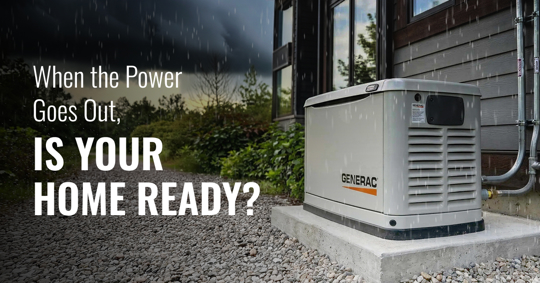
- A backup generator can help keep critical systems operating during a storm and provide peace of mind if you need to evacuate.
- Standby generators automatically restore power during an outage, while portable generators can support select appliances and equipment.
- Preparing before hurricane season peaks gives you more time to address vulnerabilities and avoid last-minute service delays.
- A professional inspection before and after major storms can help identify hidden damage and protect your home's long-term reliability.
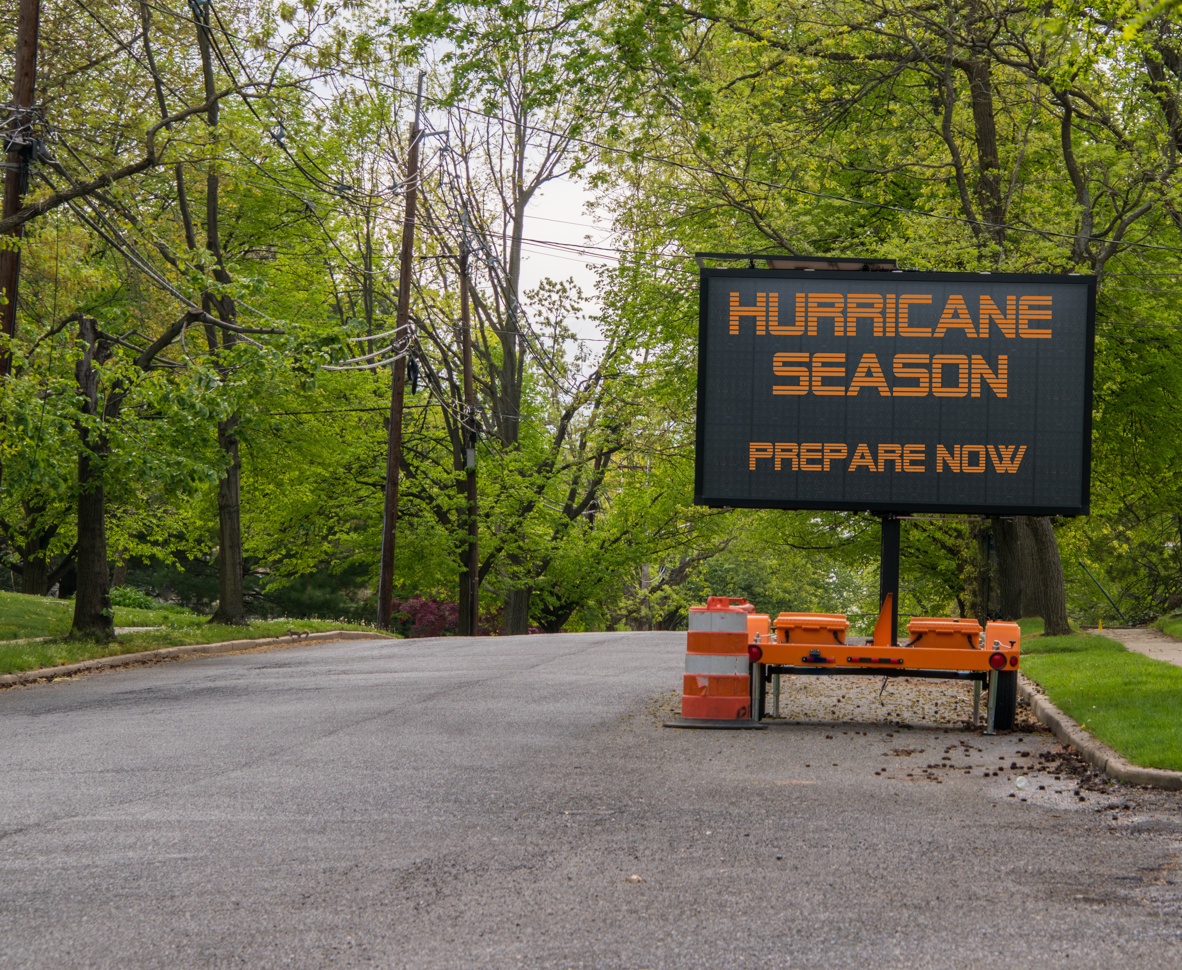
Hurricane season doesn't arrive without warning. Every year, Edgewater homeowners have a window before the peak of the season to get their homes ready. The question is how best to use it.
When a hurricane makes landfall, your HVAC, plumbing, and electrical systems face sustained wind, flooding, power outages that can last days, and the damage that follows when water finds a way in. That's why at Advanced Home Services, we work with homeowners across Edgewater to prepare their homes before a storm is ever named.
Can a Hurricane Damage Your HVAC, Plumbing, and Electrical Systems?
Most people think about hurricane damage in terms of roof damage, fallen tree debris, and water in the garage. But a storm of any significant strength affects the systems working behind your walls, too, and that damage might not be obvious until it becomes a larger problem.
Here's what a hurricane can do to your home's systems:
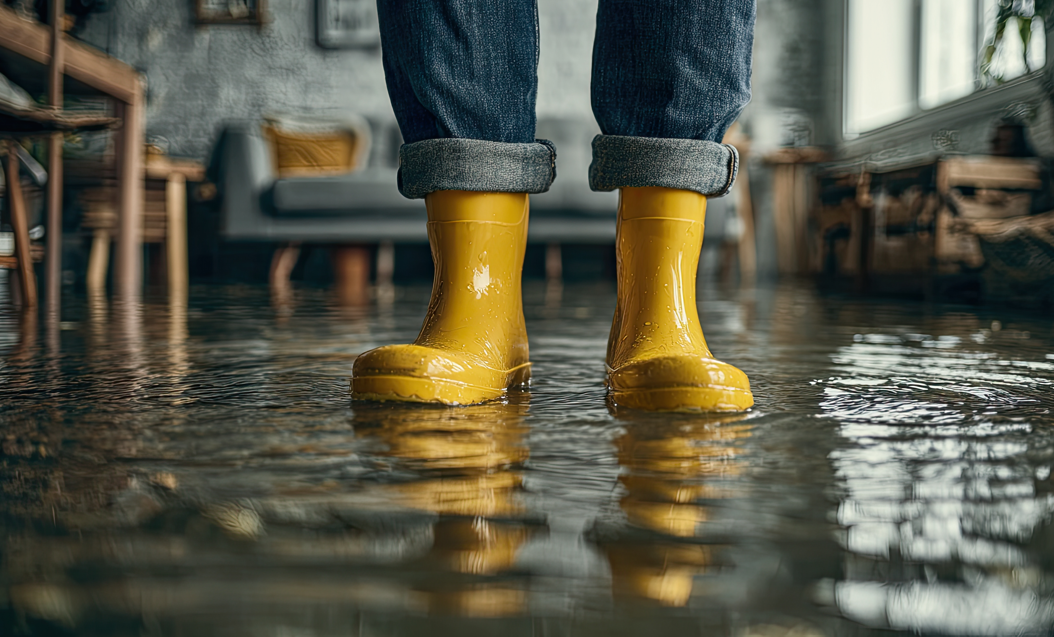
- Storm surge and heavy rainfall can force water into areas that directly impact your plumbing, electrical wiring, and HVAC equipment, especially if any of those systems are located at ground level or below.
- Unlike a brief summer thunderstorm, hurricanes can knock out grid power for days or even weeks. Every system in your home that runs on electricity stops functioning.
- Your outdoor HVAC condenser unit is exposed. High winds can damage fins, dislodge the unit, and introduce debris into components that are difficult and costly to repair.
- Power fluctuations during and after a storm (including the moment utility power is restored) can damage appliances, electronics, and your home's electrical systems.
- HVAC units and water heaters are sensitive to sudden power interruptions. When power cuts and restores repeatedly during a storm, the wear on those components adds up.
What Happens When the Power Goes Out for Days?
Your home loses cooling for an extended period. In Edgewater's summer heat and humidity, indoor temperatures rise quickly without air conditioning. What's uncomfortable after a few hours becomes a serious health concern after a day or more, particularly for young children, older adults, or anyone with a medical condition affected by heat.
Your refrigerator and freezer warm up. Food safety experts consider food in an unpowered refrigerator potentially unsafe after four hours. For some households, this can also affect temperature-sensitive medications that require refrigeration, creating an additional concern beyond food storage. After a multi-day outage, the contents of your refrigerator and freezer may be a complete loss.
Your sump pump goes offline right when you need it most. Without backup power, your sump pump cannot run, and water has a clear path into your basement or crawl space.
Your water heater stops functioning. Many gas water heaters rely on electrical components for ignition, while electric water heaters stop heating entirely during an outage. Either way, your household is without hot water for the duration of the outage.
Home security systems switch to limited battery backup. Extended outages can exhaust battery reserves, reducing the functionality or coverage of your home security system.
How Do Generators Work, and Do You Need One Before Hurricane Season?
A generator provides an alternative source of electricity when utility power is unavailable. For Edgewater homeowners, the bigger question is often not whether backup power is valuable, but which type of generator best fits their home, budget, and needs.
Portable Generators
Portable generators run on gasoline or propane and can be stored when not in use. They require manual setup and must be operated outdoors due to carbon monoxide risks. A portable unit can power a refrigerator, window AC unit, or select lighting.
Portable generators are a lower-cost option, but they require effort to operate safely and don't provide whole-home coverage. They also require fuel on hand, and in the aftermath of a hurricane, sourcing gasoline can be challenging.
Standby Generators
A standby generator is permanently installed outside your home, similar to a central AC unit. It connects directly to your home's electrical panel and runs on natural gas or propane from a connected line. When it detects a loss of utility power, it turns on automatically and shuts itself off when power is restored.
Standby generators can power your entire home or selected circuits depending on their size and configuration. Because they operate automatically, many homeowners don't need to take any action during an outage, making this a great option to protect your home's systems if you decide to evacuate.
Which Is Right for Your Home?
- If your area experiences significant storm activity with the potential for extended outages, a standby generator provides the most reliable protection. It automatically restores power to designated areas of your home and keeps critical systems operating without interruption. For many homeowners, the added convenience and peace of mind are just as valuable as the backup power itself.
- If outages in your area tend to be shorter or less frequent, a portable generator may be sufficient for covering the essentials.
Our licensed electricians at Advanced Home Services can evaluate your home's electrical panel and recommend the right backup power solution for your needs.
Request a Generator Consultation
Why Does Backup Power Matter More During Hurricane Season?
The difference between hurricane season with a generator and without could mean the condition your home is in after the storm passes.
- Your HVAC system keeps running, maintaining safe indoor temperatures even during multi-day outages.
- Your refrigerator and freezer stay powered, helping preserve food and temperature-sensitive medications that require refrigeration.
- Your sump pump stays powered, preventing water from backing up into your crawl space.
- Your water heater stays functional.
- Lights and security systems remain active.
What Should You Check Before Hurricane Season Peaks?
The window before peak season is the right time to identify and address vulnerabilities while you still have time to act. Here's where to focus:
HVAC
- Schedule a pre-season tune-up with Advanced Home Services to confirm your system is prepared.
- Replace your air filter if it's overdue.
- Inspect your outdoor condenser unit for debris, and make sure it's properly secured.
- Confirm that airflow is consistent throughout your home and that your thermostat is responding correctly.
Electrical
- Confirm that your home has surge protection in place for key appliances and electronics.
- Check your electrical panel for existing issues or signs of wear.
- If you're considering a generator, consult a licensed electrician about the right setup before the season begins.
- Test your smoke detectors and carbon monoxide alarms.
Plumbing
- Check under sinks, around appliances, and near your water heater for signs of moisture.
- Test your sump pump by pouring water into the basin to confirm it activates.
- Know where your main water shutoff is located.
What Should You Check After a Hurricane or Tropical Storm?
Signs Your HVAC System Was Affected:
- The system isn't cooling as effectively as it should, or it's running constantly without reaching your set temperature.
- You hear unusual sounds when the unit starts up.
- The outdoor unit shows visible signs of damage, debris impact, or flooding.
- Your thermostat is unresponsive or displaying error codes.
Signs Your Electrical System Was Affected:
- Breakers are tripping repeatedly or won't reset.
- Lights are flickering, or certain outlets aren't functioning.
- Appliances are behaving erratically or won't power on.
- You notice a burning smell or visible scorch marks near outlets or your electrical panel.
Signs Your Plumbing Was Affected:
- Water pressure seems lower than it was before the storm.
- You notice new moisture, discoloration, or soft spots near walls, under sinks, or around your foundation.
- Drains are running slower than normal.
- Your water heater is slow to recover or no longer heating properly.
Storm-related damage doesn't always look like damage. HVAC compressors, electrical wiring, and plumbing connections can all sustain significant harm from flooding, surges, or abrupt shutdowns without any obvious external signs. A professional inspection after a hurricane gives you a clear picture of what actually happened to your systems, not just what you can see from the outside.
When Does It Make Sense to Schedule a Service Visit?
For hurricane preparedness, two moments matter most:
Before the Storm: While You Still Have Time
A pre-season visit from Advanced Home Services is about getting ahead of problems before you're under pressure. Our HVAC, plumbing, and electrical technicians can assess your home's systems, identify wear or vulnerabilities, and make recommendations based on what your home actually needs.
For Edgewater homeowners evaluating backup power, this is also the right time to consult with our licensed electricians about generator installation. Demand for generator installation increases sharply as hurricane season approaches — scheduling early means you're not competing with every other homeowner in Edgewater for the same appointment window.
After the Storm: Getting a Clear Picture
After a hurricane or tropical storm, a professional inspection tells you where things actually stand. Even if your systems appear to be working normally, a technician can evaluate how they responded to the event and identify any underlying issues before they become failures.
A post-storm service visit from Advanced Home Services can include:
- HVAC system inspection and performance assessment
- Electrical panel review and surge protection evaluation
- Plumbing inspection for leaks, pressure issues, or drainage concerns
- Sump pump test and evaluation
- Generator inspection and post-outage assessment
- Recommendations for any repairs or upgrades identified during the visit
Get Your Home Ready Before Hurricane Season Peaks
The best time to prepare for a hurricane is before one is in the forecast. Once a storm is named and a watch or warning is issued, service schedules fill quickly, materials become harder to source, and your options narrow fast.
Advanced Home Services serves Edgewater homeowners with licensed electrical, HVAC, and plumbing technicians who can assess your home, explain your options, and handle everything from generator installation to pre-season system checks so that when a storm does make landfall, your home is as ready as it can be.
Contact us today to schedule your hurricane season preparedness inspection or generator consultation.